
An Unprecedented Birth That Redefines Time
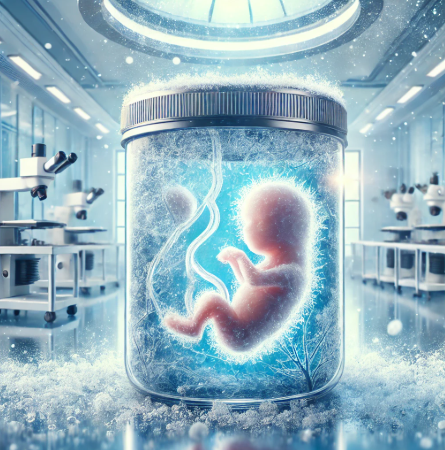
On July 26, 2025, Thaddeus Daniel Pierce was born in Ohio from an embryo that had been frozen since May 1994—making him the oldest frozen embryo baby ever born. The embryo originated from IVF treatments by Linda Archerd; after giving birth to a daughter in 1994, she kept the remaining embryos frozen for decades before donating them via an embryo-adoption agency.
Rejoice Fertility in Tennessee accepted the decades-old embryo—a rarity, as many fertility clinics decline such cases—yet one embryo survived thawing and resulted in a healthy birth. This remarkable case highlights not only the success rate of embryo freezing but also the hope it offers to couples and individuals facing fertility challenges.
Why Egg & Embryo Freezing Are Game-Changers in India Now
In India, infertility trends are becoming a growing public health concern.
- The NFHS-5 (2019–21) reports that primary infertility affects 18.7 per 1,000 married women (15–49 years).
- The country’s Total Fertility Rate has declined to around 2.0, dipping below the replacement level.
- Demand for fertility preservation options such as egg freezing and embryo freezing is rising sharply, with the market expected to grow from $206 million in 2023 to $632.5 million by 2030.
- Urban, career-focused women and couples are leading this change, with nearly 40% of egg-freezing inquiries coming from women aged 25–32.
- The cost of egg freezing in India ranges from ₹80,000 to ₹250,000 per cycle, with annual storage charges between ₹10,000 and ₹30,000https://www.business-standard.com/health/egg-freezing-demand-rises-as-indian-women-delay-motherhood-fertility-125072500535_1.html
How Cryopreservation Works—and Why It Works Long-Term
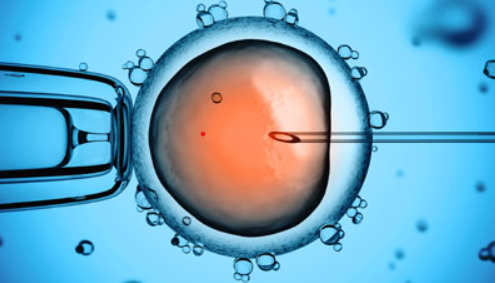
Cryopreservation is the process of freezing reproductive cells and embryos at extremely low temperatures to preserve them for future use.
- Vitrification, a rapid-freezing technique, prevents ice crystal formation by converting cells into a glass-like state, improving survival rates.
- Egg freezing success rates in India show post-thaw survival between 90–97%, with fertilization rates of around 75%, implantation rates of 25%, and pregnancy rates of 10–15% per cycle.
- Embryo freezing generally has higher success rates than egg freezing, as embryos withstand the freezing and thawing process better.
- India has been part of the cryopreservation story for decades—pioneering work by Dr. Subhas Mukherjee in the late 1970s laid the groundwork for today’s advancements in IVF.
Voices from the Field
Fertility experts across India note that egg freezing in India is often chosen for long-term planning—whether for medical reasons, such as cancer treatments, or personal ones, such as delaying parenthood for career or emotional readiness.
Embryo adoption, like in Thaddeus’s case, is also gaining attention as an ethical and emotional way to give unused embryos a chance at life.

Why This Matters for India
This milestone is more than a medical achievement—it’s a turning point in how IVF in India and reproductive technology are perceived:
- Empowerment — Individuals and couples can take control of their reproductive timeline.
- Innovation — Advancements in cryopreservation technology make long-term storage safe and effective.
- Hope — For those struggling with infertility, these technologies offer a second chance, even decades later.
Final Thoughts
The story of Thaddeus Daniel Pierce—frozen for 30 years yet born healthy today—proves that science can break through the barriers of time. As India faces rising infertility rates and changing reproductive patterns, egg freezing and embryo freezing success rates offer new hope for future parents. These are not just medical procedures—they are lifelines, enabling families to plan, pause, and pursue parenthood on their terms..https://www.bwhealthcareworld.com/article/indias-real-fertility-crisis-choice-not-numbers-561521